Product fit comes before the workflow
The evidence-to-fixing route only works when the right starting route is chosen. Some products may fit a Scanner Box evidence route. Others may need evidence review, supplier-question follow-up or staged validation before technical scanning makes sense.
This article does not replace the product-suitability topic. It only sets the boundary: PAXECT does not claim that every device, operating system, file type or product category is automatically supported.
The important point is that evidence and follow-up must stay connected to the product context. A workflow loses value if a finding cannot be linked back to a product, version, supplier record, customer approval or validation result.
Why the collection route matters
PAXECT Readiness is not designed as a generic desktop scanner. It is built around product evidence, reviewable reporting and controlled follow-up. That makes the collection route important.
A software-only tool can be useful for quick checks, uploads or lighter evidence intake. Many small teams start there because it is fast and easy: install a tool, run a scan, export a result. For early internal review, that can be enough.
But when evidence may later need to be explained, reviewed or connected to supplier follow-up, the scan environment starts to matter. Different laptops, operating systems, permission settings, local security tools, dependencies and user behaviour can all affect how a scan is run and how easy the result is to trust afterwards.
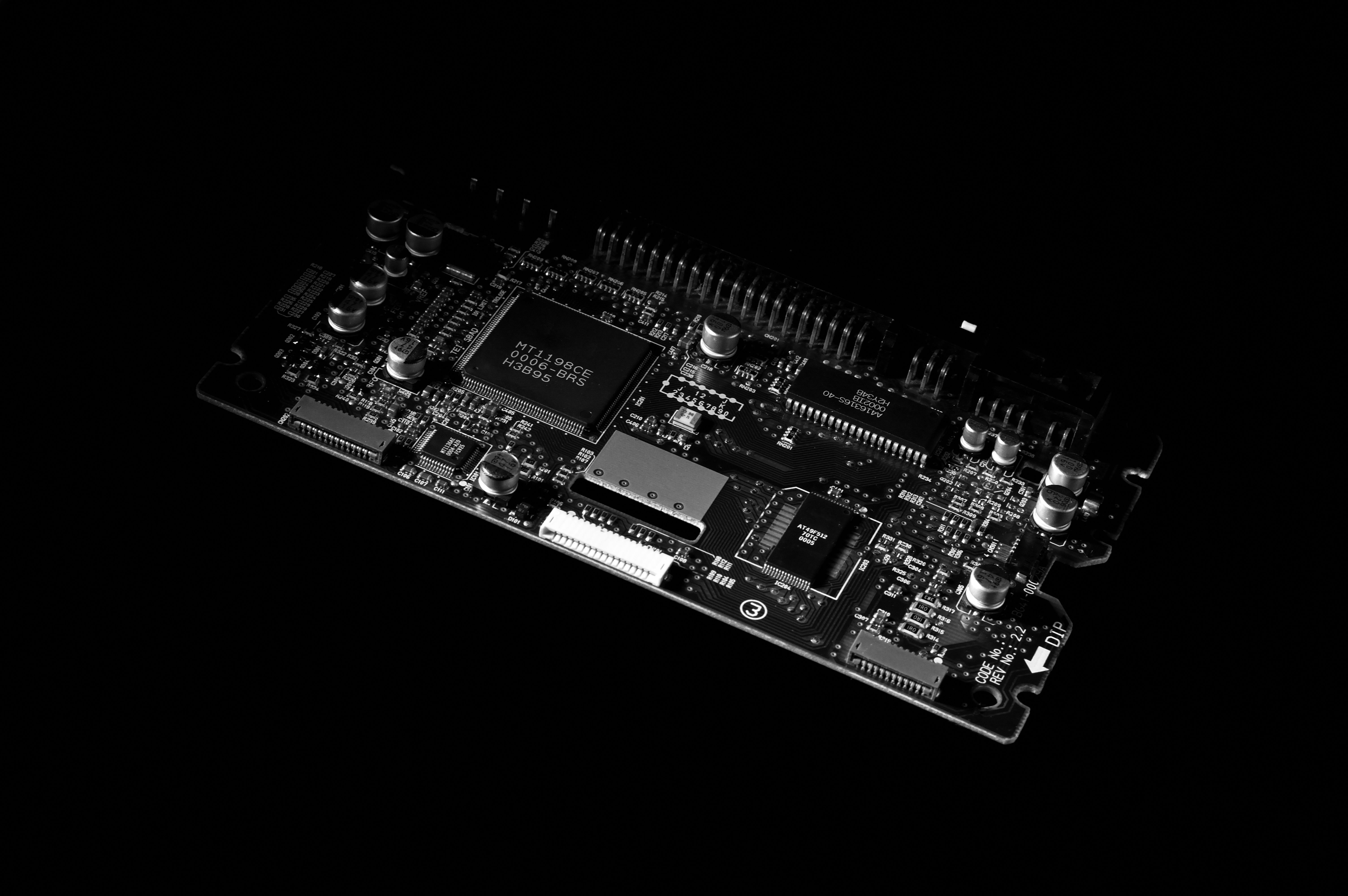
That is why PAXECT Readiness uses a controlled local Scanner Box route for situations where stronger evidence handling is needed. The appliance provides a more consistent environment for collecting product, firmware, software, app or device context. PAXECT uses a Linux-based appliance because many security, firmware, network and automation tools are easier to control in a managed OS environment. Tooling, configuration, logging, services, updates and evidence transfer can be managed as part of the PAXECT workflow instead of depending only on a customer workstation.
The Cloud Workspace then gives that local evidence a structured place to land: Readiness Reports, Evidence Dossier context, Supplier Requests, Remediation Guidance, approved follow-up and later validation or proof context. In this setup, the Scanner Box is the controlled local collector, while the Cloud Workspace is the reporting, dossier and follow-up layer.
This does not mean every product needs a Scanner Box route. It also does not mean the appliance proves CRA compliance. Some situations may fit a lighter software or upload-based route. The point is that PAXECT can support different evidence routes depending on the product, risk, evidence need and review context.
For higher-trust connected-product evidence, a controlled local collection route can provide a stronger foundation than an ad-hoc desktop scan alone.